
The most important renewable energy trends in 2025 and the years ahead
The most important renewable energy trends in 2025 and the years ahead
The most important renewable energy trends in 2025 and the years ahead
The most important renewable energy trends in 2025
and the years ahead
The most important renewable energy trends in 2025
and the years ahead
The most important renewable energy trends in 2025 and the years ahead
Marta Gąsiorek
4 min reading
———————
4 min reading
The energy world has accelerated like a turbine in perfect weather. 2025 is the moment when renewable energy sources stopped being an alternative and became one of the main fundamentals of the energy system. Falling technology costs, better energy storage, and increasingly aware consumers - all point in one direction: stable, affordable, and clean energy. Below are some key trends that truly reshape the market - not only globally, but also locally in Poland.
Wind and solar grow the fastest (and the cheapest)
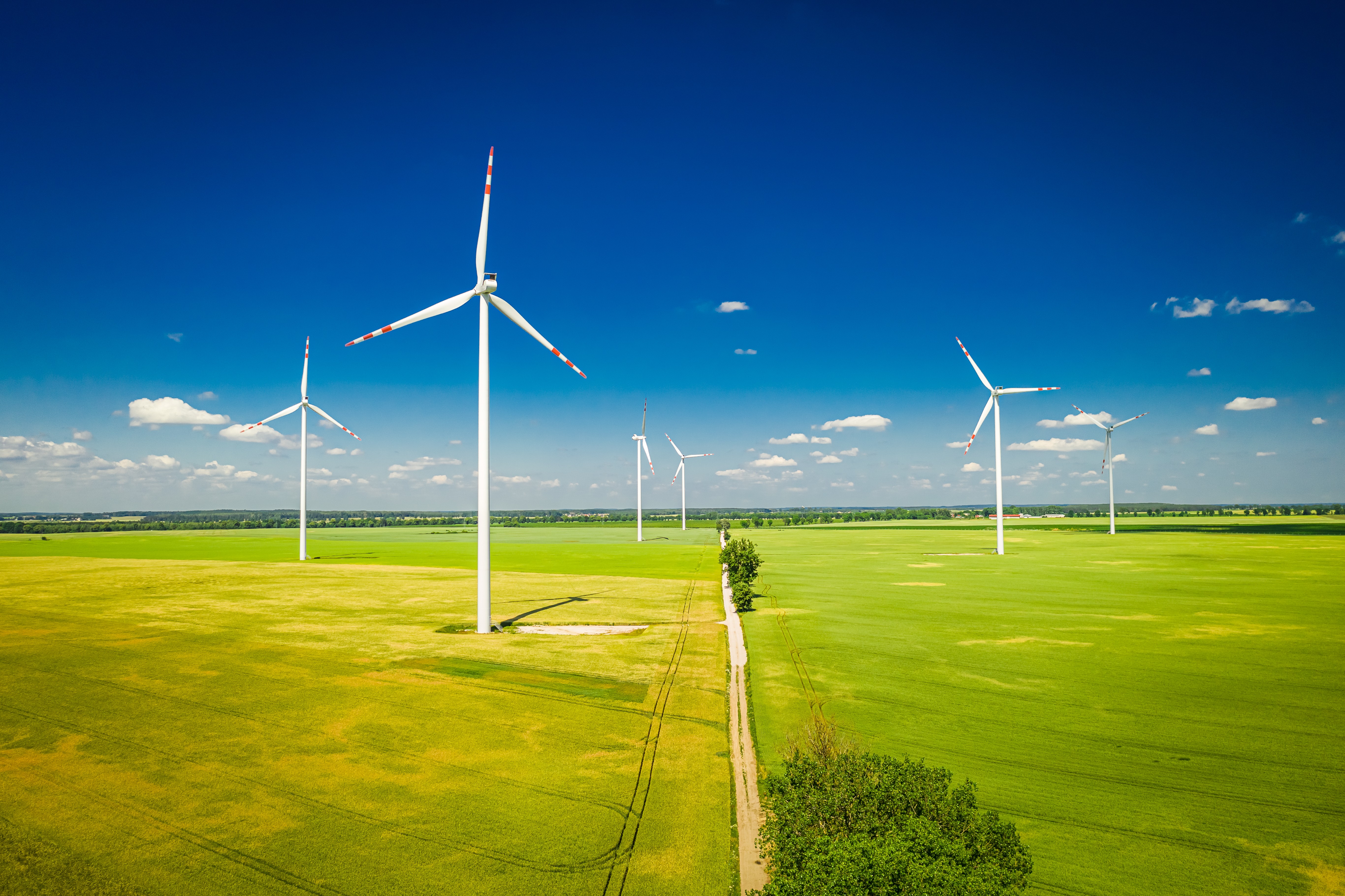
In 2025, we can see a record growth in wind energy, especially onshore and offshore, alongside the continued expansion
of solar power.
Why wind and solar in particular?
● they are the lowest-cost energy sources (IRENA 2024 data),
● wind and solar farms can be built faster than conventional power plants,
● the technology is maturing, so every new turbine and panel operates more efficiently.
For Poland, this means faster renewable project development, shorter investment timelines, and greater access
to lower-cost energy for municipalities and local consumers.
Energy storage is the real breakthrough
The biggest challenge of RES? Variability.
The best solution? Energy storage.
In 2025, the leading technologies include:
● lithium-ion batteries (becoming increasingly affordable),
● sodium-ion batteries,
● solid-state technologies entering the market,
● flow batteries for large-scale installations.
These technologies make it possible to stabilize the grid and store energy when the sun is shining and the wind
is blowing, then release it later into the network. For municipalities and grid operators, storage means lower risk
of overloads and a more stable energy supply from local renewable sources.
Green hydrogen is no longer futuristic
Just a few years ago, hydrogen sounded like a topic for scientific conferences. Today, it becomes a real part
of energy strategies:
● industrial decarbonization,
● long-duration energy storage,
● fuel for heavy transport and aviation.
In Poland, green hydrogen will first be used mainly in industry and heavy transport, and its development depends directly
on the availability of low-cost renewable electricity.
Smart grids and artificial intelligence
do the heavy lifting
Renewable energy sources require a smart grid - and that is exactly what happens now.
AI in energy systems helps to:
● forecast demand,
● manage energy surpluses,
● coordinate storage systems,
● reduce losses and grid congestion.
This is the biggest technological leap in years. Without intelligent grid management systems, integrating large volumes
of renewable energy would be far more difficult.
Quick takeaway
● Wind and solar are the fastest-growing energy sources.
● Energy storage solves the variability challenge of renewables.
● Green hydrogen is entering industry and transport.
● AI improves grid performance and large-scale renewable integration.
● Offshore wind is the number one direction for the next 10 years.
This is no longer a vision of the future, but a process that already has a real impact on Polish energy security
and electricity costs today.
The energy world has accelerated like
a turbine in perfect weather. 2025
is the moment when renewable energy sources stopped being an alternative
and became one of the main fundamentals of the energy system. Falling technology costs, better energy storage,
and increasingly aware consumers
- all point in one direction: stable, affordable, and clean energy. Below
are some key trends that truly reshape
the market - not only globally, but also locally in Poland.
Wind and solar grow the fastest (and the cheapest)
In 2025, we can see a record growth in wind energy, especially onshore and offshore, alongside the continued expansion of solar power.
Why wind and solar
in particular?
● they are the lowest-cost energy sources (IRENA 2024 data),
● wind and solar farms can be built faster than conventional power plants,
● the technology is maturing, so every new turbine and panel operates more efficiently.
For Poland, this means faster renewable project development, shorter investment timelines, and greater access to lower-cost energy for municipalities
and local consumers.
Energy storage is the real breakthrough
The biggest challenge of RES? Variability.
The best solution? Energy storage.
In 2025, the leading technologies include:
● lithium-ion batteries (becoming increasingly affordable),
● sodium-ion batteries,
● solid-state technologies entering
the market,
● flow batteries for large-scale installations.
These technologies make it possible
to stabilize the grid and store energy when the sun is shining and the wind
is blowing, then release it later into the network. For municipalities and grid operators, storage means lower risk
of overloads and a more stable energy supply from local renewable sources.
Green hydrogen is no longer futuristic
Just a few years ago, hydrogen sounded like a topic for scientific conferences.
Today, it becomes a real part of energy strategies:
● industrial decarbonization,
● long-duration energy storage,
● fuel for heavy transport and aviation.
In Poland, green hydrogen will first be used mainly in industry and heavy transport, and its development depends directly on the availability of low-cost renewable electricity.
Smart grids
and artificial intelligence
do the heavy lifting
Renewable energy sources require
a smart grid - and that is exactly what
happens now.
AI in energy systems helps to:
● forecast demand,
● manage energy surpluses,
● coordinate storage systems,
● reduce losses and grid congestion.
This is the biggest technological leap
in years. Without intelligent grid management systems, integrating large volumes of renewable energy would be far more difficult.
Quick takeaway
● Wind and solar are the fastest-growing energy sources.
● Energy storage solves the variability challenge of renewables.
● Green hydrogen is entering industry and transport.
● AI improves grid performance
and large-scale renewable integration.
● Offshore wind is the number one direction for the next 10 years.
This is no longer a vision of the future,
but a process that already has a real impact on Polish energy security
and electricity costs today.
The energy world has accelerated like a turbine in perfect weather. 2025 is the moment when renewable energy sources stopped being an alternative and became one of the main fundamentals of the energy system. Falling technology costs, better energy storage,
and increasingly aware consumers - all point in one direction: stable, affordable, and clean energy. Below are some key trends that truly reshape the market - not only globally, but also locally in Poland.
Wind and solar grow the fastest (and the cheapest)
In 2025, we can see a record growth in wind energy, especially onshore and offshore, alongside
the continued expansion of solar power.
Why wind and solar in particular?
● they are the lowest-cost energy sources (IRENA 2024 data),
● wind and solar farms can be built faster than conventional power plants,
● the technology is maturing, so every new turbine and panel operates more efficiently.
For Poland, this means faster renewable project development, shorter investment timelines,
and greater access to lower-cost energy for municipalities and local consumers.
Energy storage is the real breakthrough
The biggest challenge of RES? Variability.
The best solution? Energy storage.
In 2025, the leading technologies include:
● lithium-ion batteries (becoming increasingly affordable),
● sodium-ion batteries,
● solid-state technologies entering the market,
● flow batteries for large-scale installations.
These technologies make it possible to stabilize the grid and store energy when the sun
is shining and the wind is blowing, then release it later into the network. For municipalities
and grid operators, storage means lower risk of overloads
and a more stable energy supply from local renewable sources.
Green hydrogen is no longer futuristic
Just a few years ago, hydrogen sounded like a topic for scientific conferences. Today,
it becomes a real part of energy strategies:
● industrial decarbonization,
● long-duration energy storage,
● fuel for heavy transport and aviation.
In Poland, green hydrogen will first be used mainly in industry and heavy transport,
and its development depends directly on the availability of low-cost renewable electricity.
Smart grids and artificial intelligence
do the heavy lifting
Renewable energy sources require a smart grid - and that is exactly what happens now.
AI in energy systems helps to:
● forecast demand,
● manage energy surpluses,
● coordinate storage systems,
● reduce losses and grid congestion.
This is the biggest technological leap in years. Without intelligent grid management systems, integrating large volumes of renewable energy would be far more difficult.
Quick takeaway
● Wind and solar are the fastest-growing energy sources.
● Energy storage solves the variability challenge of renewables.
● Green hydrogen is entering industry and transport.
● AI improves grid performance and large-scale renewable integration.
● Offshore wind is the number one direction for the next 10 years.
This is no longer a vision of the future, but a process that already has a real impact on Polish energy security and electricity costs today.