
What happens to turbines after 30 years? [Few people know about this]
What happens to turbines after 30 years? [Few people know about this]
What happens to turbines after 30 years? [Few people know about this]
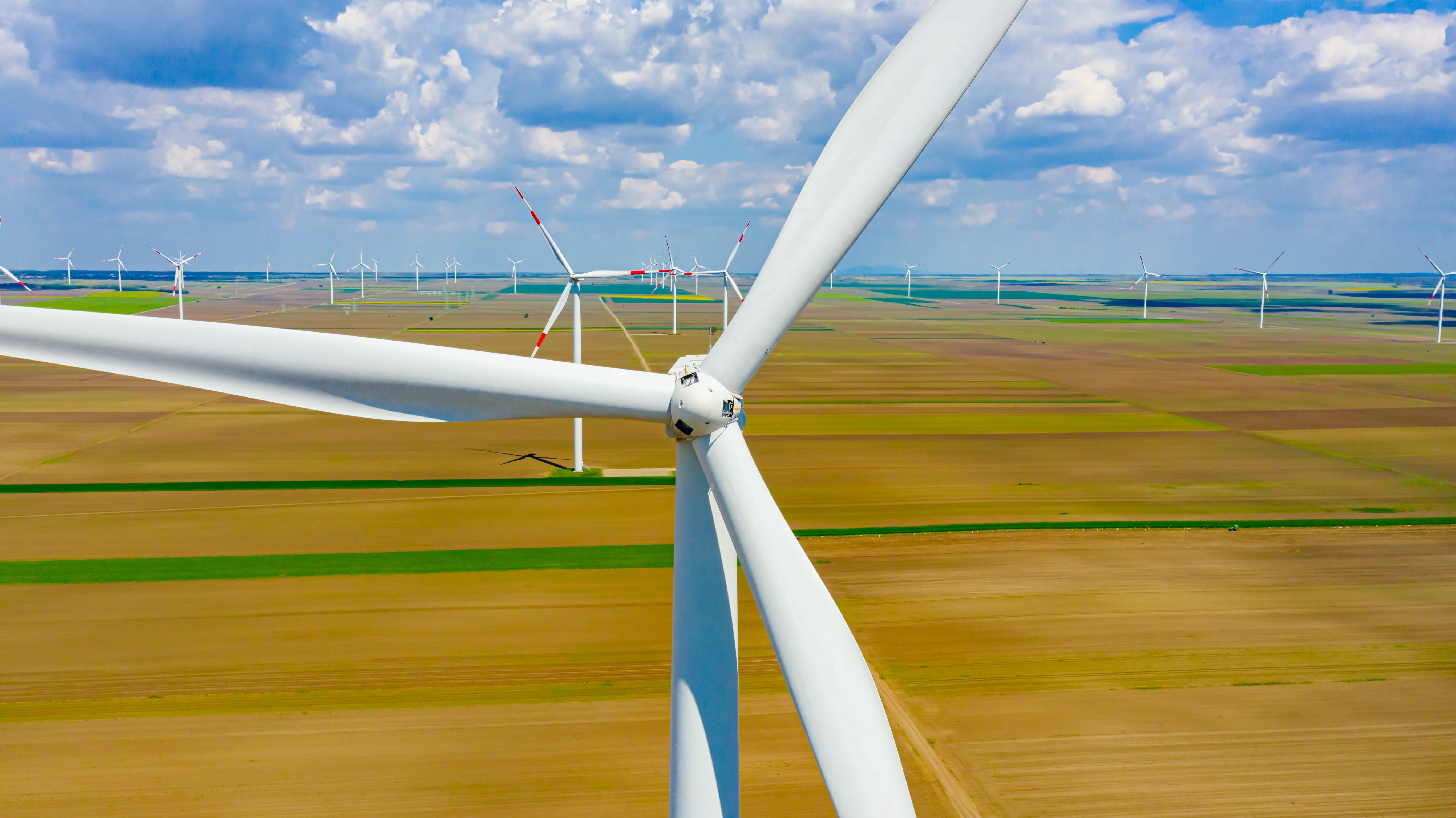
What happens to turbines after 30 years? [Few people know about this]
What happens
to turbines after 30 years? [Few people know about this]
Marta Gąsiorek
5 min reading
———————
5 min reading
“Will they just stay there and haunt people?” - this question keeps coming back whenever we talk about wind energy.
In reality, the answer is far more specific than many people think. Here’s what really happens to wind turbines
after 30 years.
How long does a wind turbine operate?
In practice, once this period ends, a technical review is carried out and there are three possible options:
● operation time extension - if technical condition is good,
● repowering - replacing it with a new, more powerful turbine,
● full decommissioning - dismantling, recycling, and land restoration.
What needs to be done by the investor, once the turbine reaches the end of its operation time?
There is no such thing as “abandoned turbines.” From the very beginning, every project must include
a decommissioning plan, meaning a clear end-of-life strategy for the installation.
This includes:
● safely disconnecting the turbine from the grid,
● dismantling the blades, nacelle, and tower,
● breaking up the foundation to a specified depth,
● restoring the land to the condition agreed in the permits (most often agricultural use).
What happens to the materials after dismantling?
A wind turbine is not “a huge piece of waste left in the field.”
According to analyses by European industry organizations:
● around 85–90% of a turbine’s mass can be recycled,
● recovered materials include steel, concrete, copper, aluminum, and generator components,
● composite blades are a huge challange.
In practice:
● tower and steel structure go to smelters as scrap,
● metals are recovered through standard recycling processes,
● concrete can be crushed and reused as aggregate in construction industry, if allowed.
Turbine blades - once a problem, now an innovation
Blades are durable because they are made from fibers and resin. Excellent for performance,
yet more difficult to recycle. It is the reason why, the most happens here.
Two major directions:
RecyclableBlade - Siemens Gamesa
A specific resin makes it possible to break blades down into components and recover materials such as glass fiber
and resin for reuse, for example in construction or automotivea pplications.
ZEBRA Project
The European ZEBRA project has developed a prototype blade made from thermoplastics. This material can be melted
down and processed again. Such blades are already being tested in Europe.
Companies are also testing:
● shredding blades for use as an additive in concrete or prefabricated elements,
● new composites containing material from old blades,
● chemical recycling technologies for composites.
This is a challenge for which the industry already has concrete solutions.
Three possible end-of-life scenarios
At the end of a turbine’s life, the operator chooses one of three paths:
1. Life extension
Detailed inspections, measurements, and analyses are carried out. If everything is in good condition,
the turbine can continue operating, usually under increased supervision.
2. Repowering
Old turbines are removed and replaced with newer ones, often fewer in number but with greater capacity.
This means more electricity can be generated on the same land with fewer turbines.
3. Full decommissioning
The classic scenario: dismantling, recycling materials, and restoring the land.
How is the land restored after a wind farm?
After onshore dismantling is completed:
● the land can return to crops, meadows, or pasture,
● access roads may remain and continue serving the local community,
● grid connection infrastructure can be reused for a new energy project.
Companies responsible for dismantling clearly state that the goal is not only to remove the turbine, but to restore
the land for future use.
What do the local residents gain?
If there is a wind farm in your municipality - or one is being planned - there are three key things
worth to know:
1. Wind turbines will not remain forever.
They have a defined lifespan and clear end-of-life procedures.
2. Most materials go back into circulation.
Steel, concrete, and metals are recycled, while blade recycling solutions are being rapidly improved.
3. The plan for what comes next exists from day one.
Dismantling and land restoration are part of the full project lifecycle.
Energy systems of the future are not only about how electricity is generated today, but also about what happens
to installations in 20–30 years. In the case of wind energy, this is no longer a “what if” discussion, but a concrete
set of solutions already being implemented across Europe here and now.
“Will they just stay there and haunt people?” - this question keeps coming back whenever we talk about wind energy.
In reality, the answer is far more specific than many people think. Here’s what really happens to wind turbines after 30 years.
How long does
a wind turbine operate?
In practice, once this period ends,
a technical review is carried out and there are three possible options:
● operation time extension - if technical condition is good,
● repowering - replacing it with a new, more powerful turbine,
● full decommissioning - dismantling, recycling, and land restoration.
What needs to be done by the investor, once the turbine reaches the end of its operation time?
There is no such thing as “abandoned turbines.” From the very beginning,
every project must include
a decommissioning plan, meaning a clear end-of-life strategy for the installation.
This includes:
● safely disconnecting the turbine
from the grid,
● dismantling the blades, nacelle,
and tower,
● breaking up the foundation
to a specified depth,
● restoring the land to the condition agreed in the permits (most often agricultural use).
What happens to the materials after dismantling?
A wind turbine is not “a huge piece
of waste left in the field.”
According to analyses by European industry organizations:
● around 85–90% of a turbine’s mass can be recycled,
● recovered materials include steel, concrete, copper, aluminum, and generator components,
● composite blades are a huge challange.
In practice:
● tower and steel structure go
to smelters as scrap,
● metals are recovered through standard recycling processes,
● concrete can be crushed and reused
as aggregate in construction industry,
if allowed.
Turbine blades
- once a problem, now an innovation
Blades are durable because they are made from fibers and resin. Excellent
for performance, yet more difficult
to recycle. It is the reason why, the most happens here.
Two major directions:
RecyclableBlade - Siemens Gamesa
A specific resin makes it possible to break blades down into components
and recover materials such as glass fiber
and resin for reuse, for example
in construction or automotivea pplications.
ZEBRA Project
The European ZEBRA project has developed a prototype blade made
from thermoplastics. This material can
be melted down and processed again. Such blades are already being tested
in Europe.
Companies are also testing:
● shredding blades for use
as an additive in concrete
or prefabricated elements,
● new composites containing material from old blades,
● chemical recycling technologies
for composites.
This is a challenge for which the industry already has concrete solutions.
Three possible end-of-life scenarios
At the end of a turbine’s life, the operator chooses one of three paths:
1. Life extension
Detailed inspections, measurements,
and analyses are carried out. If everything
is in good condition, the turbine can continue operating, usually under increased supervision.
2. Repowering
Old turbines are removed and replaced
with newer ones, often fewer in number
but with greater capacity.
This means more electricity can
be generated on the same land
with fewer turbines.
3. Full decommissioning
The classic scenario: dismantling, recycling materials, and restoring the land.
How is the land restored after
a wind farm?
After onshore dismantling is completed:
● the land can return to crops, meadows, or pasture,
● access roads may remain and continue serving the local community,
● grid connection infrastructure
can be reused for a new energy project.
Companies responsible for dismantling clearly state that the goal is not only
to remove the turbine, but to restore
the land for future use.
What do the local residents gain?
If there is a wind farm in your municipality
- or one is being planned - there are three key things worth to know:
1. Wind turbines will
not remain forever.
They have a defined lifespan and clear
end-of-life procedures.
2. Most materials go back into circulation.
Steel, concrete, and metals are recycled, while blade recycling solutions are being rapidly improved.
3. The plan for what comes next exists from day one.
Dismantling and land restoration
are part of the full project lifecycle.
Energy systems of the future are not only about how electricity is generated today,
but also about what happens
to installations in 20–30 years. In the case of wind energy, this is no longer
a “what if” discussion, but a concrete set
of solutions already being implemented across Europe here and now.
“Will they just stay there and haunt people?” - this question keeps coming back whenever we talk about wind energy. In reality, the answer is far more specific than many people think. Here’s what really happens to wind turbines after 30 years.
How long does a wind turbine operate?
In practice, once this period ends, a technical review is carried out and there are three possible options:
● operation time extension - if technical condition is good,
● repowering - replacing it with a new, more powerful turbine,
● full decommissioning - dismantling, recycling, and land restoration.
What needs to be done by the investor, once the turbine reaches the end of its operation time?
There is no such thing as “abandoned turbines.” From the very beginning, every project must include
a decommissioning plan, meaning a clear end-of-life strategy for the installation.
This includes:
● safely disconnecting the turbine from the grid,
● dismantling the blades, nacelle, and tower,
● breaking up the foundation to a specified depth,
● restoring the land to the condition agreed in the permits (most often agricultural use).
What happens to the materials after dismantling?
A wind turbine is not “a huge piece of waste left in the field.”
According to analyses by European industry organizations:
● around 85–90% of a turbine’s mass can be recycled,
● recovered materials include steel, concrete, copper, aluminum, and generator components,
● composite blades are a huge challange.
In practice:
● tower and steel structure go to smelters as scrap,
● metals are recovered through standard recycling processes,
● concrete can be crushed and reused as aggregate in construction industry, if allowed.
Turbine blades - once a problem, now an innovation
Blades are durable because they are made from fibers and resin. Excellent for performance,
yet more difficult to recycle. It is the reason why, the most happens here.
Two major directions:
RecyclableBlade - Siemens Gamesa
A specific resin makes it possible to break blades down into components and recover materials such as glass fiber
and resin for reuse, for example in construction or automotivea pplications.
ZEBRA Project
The European ZEBRA project has developed a prototype blade made from thermoplastics.
This material can be melted down and processed again. Such blades are already being tested
in Europe.
Companies are also testing:
● shredding blades for use as an additive in concrete or prefabricated elements,
● new composites containing material from old blades,
● chemical recycling technologies for composites.
This is a challenge for which the industry already has concrete solutions.
Three possible end-of-life scenarios
At the end of a turbine’s life, the operator chooses one of three paths:
1. Life extension
Detailed inspections, measurements, and analyses are carried out. If everything is in good condition, the turbine can continue operating, usually under increased supervision.
2. Repowering
Old turbines are removed and replaced with newer ones, often fewer in number
but with greater capacity.
This means more electricity can be generated on the same land with fewer turbines.
3. Full decommissioning
The classic scenario: dismantling, recycling materials, and restoring the land.
How is the land restored after a wind farm?
After onshore dismantling is completed:
● the land can return to crops, meadows, or pasture,
● access roads may remain and continue serving the local community,
● grid connection infrastructure can be reused for a new energy project.
Companies responsible for dismantling clearly state that the goal is not only
to remove the turbine, but to restore the land for future use.
What do the local residents gain?
If there is a wind farm in your municipality - or one is being planned - there are three key things
worth to know:
1. Wind turbines will not remain forever.
They have a defined lifespan and clear end-of-life procedures.
2. Most materials go back into circulation.
Steel, concrete, and metals are recycled, while blade recycling solutions are being rapidly improved.
3. The plan for what comes next exists from day one.
Dismantling and land restoration are part of the full project lifecycle.
Energy systems of the future are not only about how electricity is generated today, but also about what happens to installations in 20–30 years. In the case of wind energy, this is no longer a “what if” discussion, but a concrete set of solutions already being implemented across Europe here and now.