
June 2025: The month renewables overtook coal
June 2025: The month renewables overtook coal
June 2025: The month renewables overtook coal
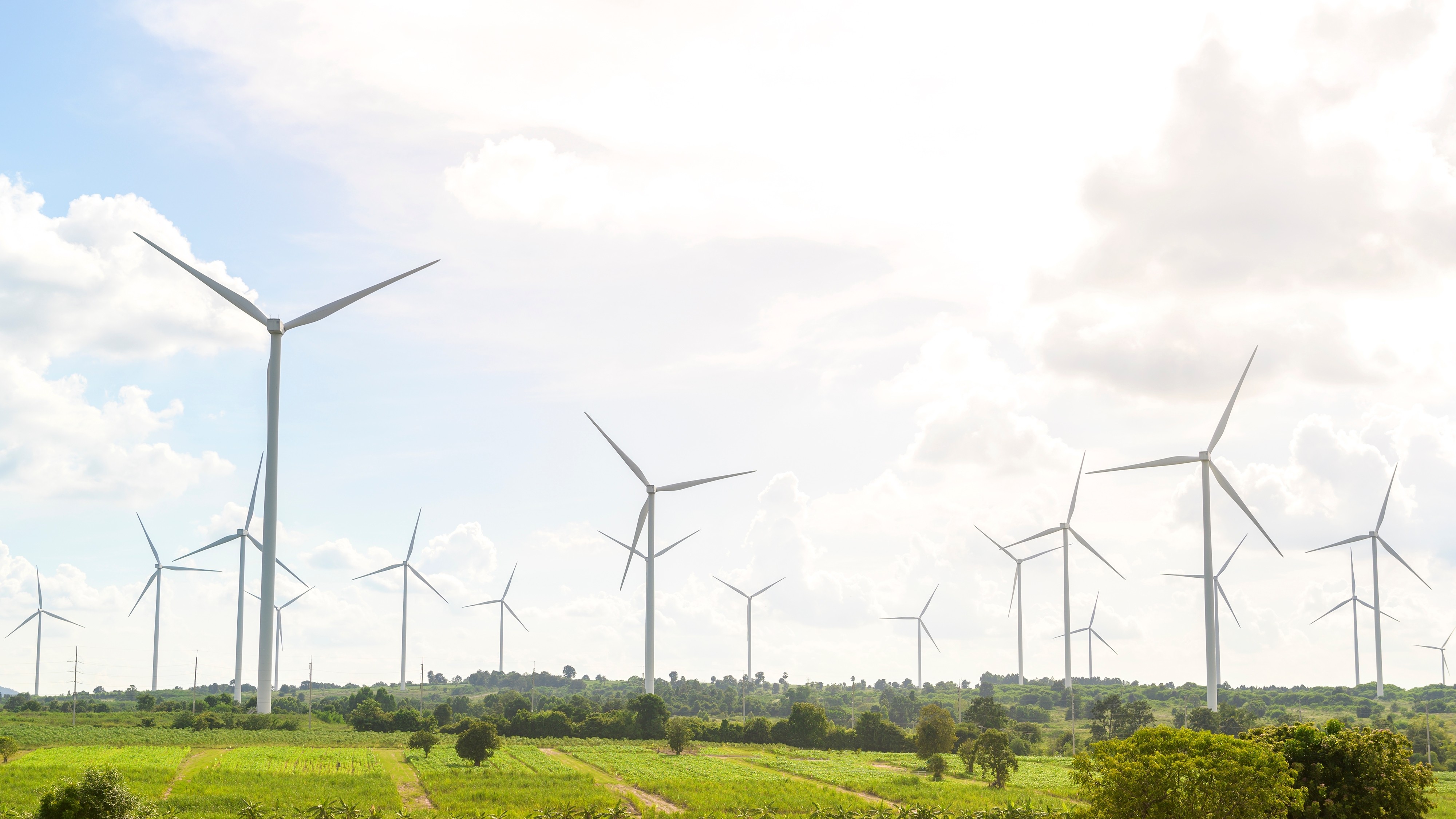
June 2025: The month renewables overtook coal
June 2025:
The month renewables overtook coal
Marta Gąsiorek
6 min reading
———————
6 min reading
In June 2025, renewable energy sources (RES) generated more electricity in Poland than coal, for the first time ever.
The difference was small, but its significance is major: it changes what drives energy prices, grid investments, and municipal budgets. See where this result came from and what it may mean for residents.
June 2025 marked a milestone in the history of Polish energy sector. For the first time since PSE began publishing electricity generation data, renewable energy sources produced more power than coal. This is not just an interesting statistic
- it is a real shift in Polish energy mix that affects both local communities and future of the entire industry.
Monthly result (PSE, 2025)
● RES: 44.1%
● Coal: 43.7%
The difference is small, but the breakthrough is huge. For decades, coal dominated Polish energy system.
Yet in one single month, wind and solar took the lead and showed that the energy transition in Poland
is no
longer a plan for the future. It is already happening - and it is not slowing down.
Why did RES win in June?
The reason is simple: wind and solar conditions were very strong, while new RES capacity - especially photovoltaic
and wind farms - was operating at full performance. More and more locations use modern wind turbines that generate energy more steadily even in lighter wind conditions.
This is the result of:
● a growing number of renewable installations,
● turbine modernization,
● higher efficiency of wind and PV technologies,
● lower availability of low-cost coal.
What does this mean for municipalities
and households?
This is where the real challenge starts: units such as GWh, MW, and MWh do not say much at first glance.
So it is easier to think about it like this:
A single 3 MW turbine can generate enough electricity annually to match the consumption of around 2,500-4,000 households, depending on wind conditions and usage patterns.
That is the kind of scale that truly makes a difference in the local power network.
Why do municipalities focus on the number of homes?
Why do municipalities focus on the number
of homes?
More stable electricity prices
The greater the share of renewables in the energy mix, the smaller the impact of fossil fuels on prices. Wind and sunlight are naturally free, which means less bill variability and greater predictability.
Better air quality
Every percentage point of electricity shifted from coal to renewables means fewer emissions. For municipalities,
this translates into a real improvement in quality of life, especially in areas where smog remains a year-round issue.More money in local budgets
Wind and PV farms bring real revenue into municipal budgets and support infrastructure investments such
as roads, modernization, and grid connections. Local energy generation also makes municipalities more attractive to investors and supports more stable, predictable energy costs.
What does this shift mean for Polish energy sector?
RES outperforming coal in a single month is not the end of the story. It is the beginning of a new stage in which several areas become crucial:
Grid modernization
Polish grids were not originally built for such a high share of wind and solar energy. To avoid disruption and maintain stability, rapid investments in transmission lines and transformers are essential. This increases grid reliability
and directly strengthens municipalities, benefiting local communities.
Energy storage
When renewables produce large amounts of electricity, storage systems make it possible to keep that energy for later. This reduces the risk of grid congestion and stabilizes the whole system.
Stable, predictable regulations
Business does not like uncertainty. Strong and predictable energy law sends a clear signal to investors
that wind and PV development makes long-term point, rather than only lasting until the next change.
Will this breakthrough continue?
Everything suggests that June 2025 will not be a one-time case. RES are growing faster than expected,
and technologies become increasingly efficient.
New wind turbines generate more electricity than designs from 10–15 years ago, while photovoltaic reaches its record performance. Energy of the future does not begin tomorrow - it happens now.
Quick takeaway
● In June 2025, renewables overtook coal in Polish energy mix for the first time.
● This is a real proof that Polish energy transition is progressive.
● Residents benefit from more stable prices, cleaner air, and higher municipal revenues.
● Grids, energy storage, and strong regulations will be key to maintaining this trend.
● Wind and solar are no longer an “alternative.” They are the foundation of modern energy.
The infographic shows the numbers, and here we add the context. See how much energy
a wind turbine can generate and what it depends on in practice. Spoiler: it’s surprisingly high
- and definitely more than many people expect
Why does one turbine generate so much electricity?
It’s not magic. A turbine works all year round - day and night. It does not need fuel, does not wait for coal deliveries, and does not “switch on” or “switch off” like conventional power plants.
It only needs wind, especially at rotor height, where conditions are much more stable than
near the ground.
The energy system is also more flexible than it may seem: different electricity sources complement one another, supply
is planned in advance, and energy storage systems absorb surpluses. If the wind is calm in one location, it may still be blowing elsewhere, and the system continues to operate smoothly.
What is equally important is that turbines are not built in random locations. Before an investment moves forward, long-term wind measurements are carried out using measurement masts or lidar systems. These studies usually last 2–3 years
and make it possible to accurately assess wind conditions at the planned turbine height.
When the wind blows, the turbine generates electricity - and in Poland, the wind blows more often than many people think.
Does a turbine always produce the same amount
of energy?
No. The amount of electricity depends on:
● the location of the turbine,
● wind strength in a given year,
● the turbine model.
That is why output is shown as a range rather than a single number, for example 7.8–10.5 GWh annually for a 3 MW turbine, depending on location and wind conditions.
This is completely normal and works exactly the same way as photovoltaic panels or hydropower plants.
What happens to the materials after dismantling?
A wind turbine is not “a huge piece of waste left in the field.”
According to analyses by European industry organizations:
● around 85–90% of a turbine’s mass can be recycled,
● recovered materials include steel, concrete, copper, aluminum, and generator components,
● composite blades are a huge challange.
In practice:
● tower and steel structure go to smelters as scrap,
● metals are recovered through standard recycling processes,
● concrete can be crushed and reused as aggregate in construction industry, if allowed.
What does that mean in everyday terms?
This is where the real challenge starts: units such as GWh, MW, and MWh do not say much
at first glance.
So it is easier to think about it like this:
A single 3 MW turbine can generate enough electricity annually to match the consumption
of around 2,500-4,000 households, depending on wind conditions and usage patterns.
That is the kind of scale that truly makes a difference in the local power network.
Why do municipalities focus on the number of homes?
Why do municipalities focus on the number of homes?
Because municipalities look at it practically:
● will electricity supply become more stable,
● will there be fewer outages,
● can the system handle growing demand,
● will residents benefit from lower market prices?
Wind turbines help in one crucial area: wind energy has low generation costs, so during periods of high wind production it can help lower wholesale electricity prices. For municipalities, this also means stronger local energy infrastructure.
This has a direct effect on both businesses and households.
Larger turbines = an even
bigger difference
A 5 MW turbine does not necessarily take up more land, but it can generate significantly
more electricity.
The difference between 3 MW and 5 MW can sometimes mean an additional 7-10 GWh annually. For a municipality, that can be the equivalent of powering several more towns
from a single point on the map.
This is possible thanks to:
● greater capacity,
● higher efficiency,
● better use of wind resources.
Can one turbine power an entire municipality?
Not every municipality, but in many Polish municipalities 5–7 turbines could cover almost
the entire annual electricity consumption of residents.
Of course, the electricity flows into the national grid rather than directly by cable into individual homes, but local generation strengthens the stability of the whole infrastructure.
Quick takeaway
● A 3 MW turbine can power around 2,500–4,000 households.
● Larger turbines can supply electricity for up to around 7,000 homes.
● Output depends on wind conditions, turbine capacity, and the capacity factor.
● Wind turbines generate electricity at lower costs than conventional power plants.
● For municipalities, this means a more stable grid and lower electricity prices on the market.
This shows the enormous potential of wind energy and how directly it affects the everyday lives
of residents. If similar questions or concerns come up in your municipality, they are definitely
worth discussing.
In June 2025, renewable energy sources (RES) generated more electricity in Poland than coal, for the first time ever.
The difference was small, but its significance is major: it changes what drives energy prices, grid investments, and municipal budgets. See where this result came from and what it may mean
for residents.
June 2025 marked a milestone in the history of Polish energy sector. For the first time since PSE began publishing electricity generation data, renewable energy sources produced more power than coal. This is not just an interesting statistic
- it is a real shift in Polish energy mix that affects both local communities and future of the entire industry.
Monthly result (PSE, 2025)
● RES: 44.1%
● Coal: 43.7%
The difference is small, but the breakthrough is huge. For decades, coal dominated Polish energy system.
Yet in one single month, wind and solar took the lead and showed that the energy transition in Poland
is no longer a plan for the future.
It is already happening and it is not slowing down.
Why did RES win in June?
The reason is simple: wind and solar conditions were very strong, while new RES capacity - especially photovoltaic
and wind farms - was operating at full performance. More and more locations use modern wind turbines that generate energy more steadily even in lighter wind conditions.
This is the result of:
● a growing number of renewable installations,
● turbine modernization,
● higher efficiency of wind and PV technologies,
● lower availability of low-cost coal.
What does this mean for municipalities
and households?
This is where the real challenge starts: units such as GWh, MW, and MWh do not say much at first glance.
So it is easier to think about it like this:
A single 3 MW turbine can generate enough electricity annually to match
the consumption of around 2,500-4,000 households, depending on wind conditions and usage patterns.
That is the kind of scale that truly makes
a difference in the local power network.
Why do municipalities focus on the number of homes?
Why do municipalities focus on the number
of homes?
More stable electricity prices
The greater the share of renewables
in the energy mix, the smaller the impact
of fossil fuels on prices.
Wind and sunlight are naturally free, which means less bill variability
and greater predictability.Better air quality
Every percentage point of electricity shifted from coal to renewables means fewer emissions.
For municipalities, this translates
into a real improvement in quality
of life, especially in areas where smog remains a year-round issue.More money in local budgets
Wind and PV farms bring real revenue into municipal budgets and support infrastructure investments such
as roads, modernization, and grid connections. Local energy generation also makes municipalities more attractive to investors and supports more stable, predictable energy costs.
What does this shift mean for Polish energy sector?
RES outperforming coal in a single month is not the end of the story. It is the beginning of a new stage in which several areas become crucial:
Grid modernization
Polish grids were not originally built
for such a high share of wind and solar energy. To avoid disruption and maintain stability, rapid investments in transmission lines and transformers are essential.
This increases grid reliability
and directly strengthens municipalities, benefiting local communities.
Energy storage
When renewables produce large amounts of electricity, storage systems make
it possible to keep that energy
for later. This reduces the risk of grid congestion and stabilizes
the whole system.
Stable, predictable regulations
Business does not like uncertainty. Strong and predictable energy law sends a clear signal to investors that wind and PV development makes long-term point, rather than only lasting until
the next change.
Will this breakthrough continue?
Everything suggests that June 2025 will not be a one-time case. RES are growing faster than expected, and technologies become increasingly efficient.
New wind turbines generate more electricity than designs from 10–15 years ago, while photovoltaic reaches its record performance. Energy of the future does not begin tomorrow - it happens now.
Quick takeaway
● In June 2025, renewables overtook coal in Polish energy mix for the first time.
● This is a real proof that Polish energy transition is progressive.
● Residents benefit from more stable prices, cleaner air, and higher
municipal revenues.
● Grids, energy storage, and strong regulations will be key to maintaining
this trend.
● Wind and solar are no longer
an “alternative.” They are the foundation
of modern energy.